
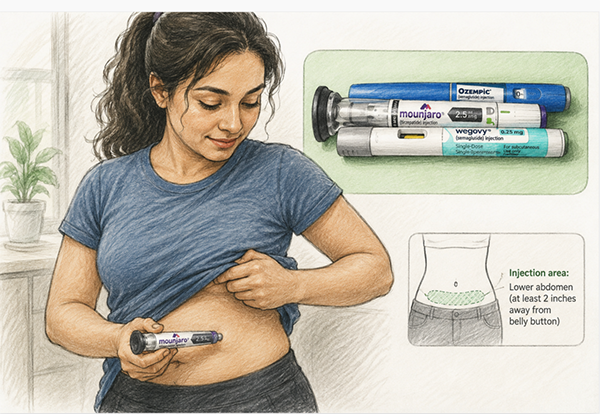
Ozempic, Wegovy, மற்றும் Mounjaro போன்ற GLP-1 உடல் எடை குறைக்கும் மருந்துகள் குறித்து புதிய மருத்துவ கவலைகள் எழுந்துள்ளன. சமீபத்திய ஆய்வுகள், இந்த மருந்துகள் சிலருக்கு மிகச் சிறப்பாக செயல்படுவதும், சிலருக்கு குறைவாக அல்லது செயல்படாததற்கும் மரபணு (Genetics) காரணமாக இருக்கலாம் என தெரிவிக்கின்றன.
சில மரபணு மாற்றங்கள் (gene variants) உடலின் GLP-1 ஹார்மோன் செயல்பாட்டை பாதித்து, உடல் எடை குறைவு குறைவாக நடைபெறவோ அல்லது அதிக பக்கவிளைவுகள் ஏற்படவோ காரணமாக இருக்கலாம் என்று விஞ்ஞானிகள் கூறுகின்றனர். எதிர்காலத்தில் உடல் பருமன் சிகிச்சைகள் “ஒவ்வொருவருக்கும் தனிப்பட்ட மருத்துவம்” (Precision Medicine) என்ற முறைக்குத் தள்ளப்படலாம் என்றும் நிபுணர்கள் கருதுகின்றனர்.
இந்த PR மேலும் தசை இழப்பு, சோர்வு, வாந்தி உணர்வு, ஊட்டச்சத்து குறைபாடு, மற்றும் மருந்தை நிறுத்திய பின் மீண்டும் உடல் எடை அதிகரிப்பு போன்ற கவலைகளையும் சுட்டிக்காட்டுகிறது. மருத்துவர்கள், GLP-1 மருந்துகளுடன் உடற்பயிற்சி, தசை வலுப்படுத்தும் பயிற்சி, நல்ல உணவுமுறை மற்றும் தொடர்ந்த மருத்துவ கண்காணிப்பு அவசியம் என வலியுறுத்துகின்றனர்.
மேலும் ஆய்வுகள், மலிவான சிகிச்சை அணுகல், மற்றும் இந்த மருந்துகளின் நன்மை-ஆபத்துகள் குறித்த பொதுமக்கள் விழிப்புணர்வு அதிகரிக்க வேண்டும் என சுகாதார ஆதரவாளர்கள் கோரிக்கை விடுத்துள்ளனர்.
***
New Research Shows GLP-1 Weight-Loss Drugs Do Not Work Equally for Everyone
NEW YORK — New scientific findings are raising important questions about the growing global use of GLP-1 weight-loss drugs such as Ozempic, Wegovy, and Mounjaro. Researchers now believe that genetics may play a major role in determining why some people lose significant weight while others see little benefit or experience severe side effects.
According to recent medical reports, certain genetic variants — including changes in the PAM gene — may reduce the body’s ability to properly process GLP-1 hormones, potentially limiting the effectiveness of these medications in some individuals. Scientists estimate that 10–20% of patients may respond poorly or only partially to current GLP-1 therapies.
Medical experts say this research could transform the future of obesity treatment by moving toward “precision medicine,” where patients receive personalized therapies based on genetics, metabolism, and biological response rather than a one-size-fits-all approach.
“This is a major reminder that human biology is deeply individualized,” said the Editor of Tamil Diaspora News. “People should not feel discouraged or blamed if these expensive medications do not work equally well for them. Science is beginning to show that genetics may influence outcomes.”
The findings also highlight several growing concerns surrounding long-term GLP-1 use, including muscle loss during rapid weight reduction, nutritional deficiencies, fatigue, gastrointestinal side effects, and weight regain after stopping the medication. Physicians increasingly recommend combining GLP-1 therapy with exercise, strength training, balanced nutrition, and medical monitoring.
The global weight-loss drug market has expanded rapidly over the past several years, with millions of patients seeking treatment for obesity, diabetes, and metabolic disorders. However, experts caution that public enthusiasm should be balanced with continued scientific research, patient education, and long-term safety monitoring.
Healthcare advocates are calling for:
▪ More research into genetic response differences
▪ Affordable access to obesity treatment
▪ Better public education regarding side effects
▪ Insurance coverage for individualized care
▪ Greater emphasis on prevention, nutrition, and healthy lifestyle strategies
Researchers believe future advances may eventually allow doctors to predict which patients will benefit most from specific GLP-1 medications before treatment even begins.
For now, experts stress that patients should consult qualified healthcare professionals before starting or stopping any prescription weight-loss medication.
Thank you,
Tamil Diaspora News,
www.tamildiasporanews.com
May 07, 2026