
Global Attention on Prostate Cancer After Israeli PM’s Diagnosis — A Wake-Up Call for Men Worldwide
Recent reports confirm that Benjamin Netanyahu was diagnosed with early-stage prostate cancer, which was successfully treated after being detected during a routine check-up. He delayed announcing it due to ongoing tensions and war with Iran.
This revelation has sparked widespread global discussion — not only about leadership and geopolitics, but also about a disease that affects millions of men worldwide.
While some speculate about political implications, the most important message is clear:
Prostate cancer is common, often silent, and highly treatable if detected early.
Prostate Cancer Awareness: Early Detection Can Save Lives
Prostate cancer is one of the most common cancers affecting men globally.
Despite its prevalence, many cases can be successfully treated — especially when detected early.
What is Prostate Cancer?
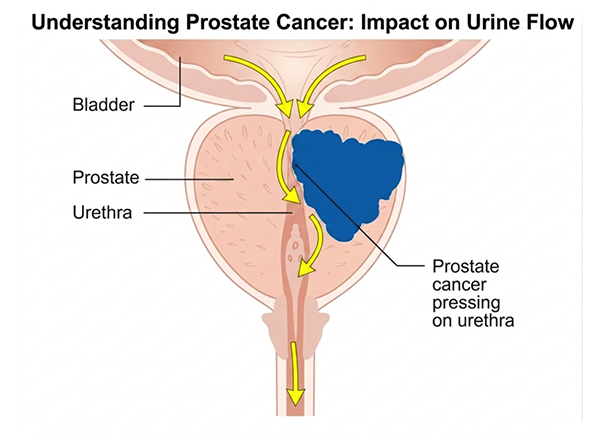
Prostate cancer develops in the prostate gland — a small organ in men that produces seminal fluid.
In many cases, it grows slowly, but if undetected, it can spread and become life-threatening.
How Do You Know You Have It?
In early stages, prostate cancer often shows no symptoms.
When symptoms appear, they may include:
- Difficulty urinating
- Weak urine flow
- Frequent urination, especially at night
- Blood in urine or semen
- Pain in the back, hips, or pelvis (advanced stages)
How Common Is It?
- One of the most common cancers in men worldwide
- Millions of cases diagnosed every year
- Many men live long lives when detected early
Who Is Most at Risk?
Men at higher risk include:
- Age 50 and above
- Those with a family history
- Certain ethnic backgrounds
- Poor lifestyle (obesity, unhealthy diet)
How Is It Treated?
Treatment depends on stage:
- Active monitoring (early cases)
- Surgery
- Radiation therapy
- Hormone therapy
When detected early, prostate cancer is often curable.
Why Early Detection Matters
- Early-stage prostate cancer is one of the easiest cancers to treat
- Simple blood tests (PSA) can detect it early
- Routine screening can save lives
Well-Known Figures Affected by Prostate Cancer
Politicians
- François Mitterrand
- Bingu wa Mutharika (had prostate cancer; death linked to a cardiac event)
- Pierre Trudeau (had prostate cancer among other conditions)
Sports Figures (Players)
- Bobby Robson
- Herb Score
- Ken Norton (had prostate cancer; died from heart failure)
“Prostate cancer has affected global leaders and athletes — proving that no one is immune, but early detection can save lives.”
How Do Doctors Detect Prostate Cancer?
Doctors can find prostate cancer early — often before symptoms appear — using simple tests:
PSA Blood Test
A blood test that measures prostate-specific antigen (PSA). High levels may indicate a problem.
Digital Rectal Exam (DRE)
A quick physical exam to check for abnormalities in the prostate.
MRI Scan
Used when needed to identify suspicious areas more clearly.
Biopsy
A small tissue sample taken to confirm whether cancer is present.
Conclusion
“Prostate cancer is common — but when found early, it is highly treatable.”
Thank you,
Tamil Diaspora News,
April 25, 2026
Public Health Awareness for Tamil Communities