New York – Tamil Diaspora News —
Tamil intellectuals and activists argue that the fundamental reason Tamils are today defined as a “minority” in Sri Lanka is the failure of Tamil political leadership and the Tamil intellectual community to protect, document, and consistently teach their own history—both publicly and through the education system.
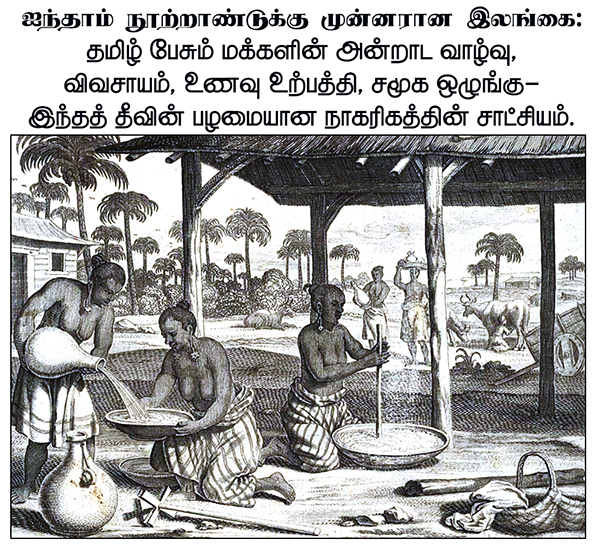
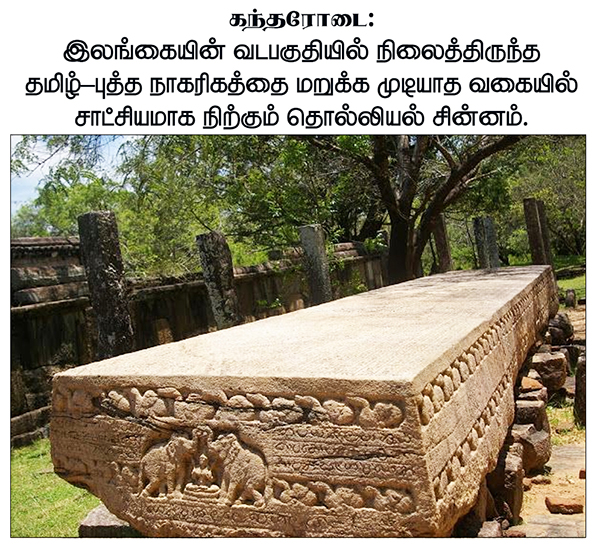
According to many Tamil historians, prior to the 5th century CE, the overwhelming majority of the island’s population consisted of Tamil-speaking Tamils. Language, agriculture, irrigation systems, trade networks, urban planning, religious traditions, and social organization in the island’s early periods were all rooted in Tamil civilization and contributions.
However, this history was neither adequately preserved nor systematically communicated—whether through political discourse, academic texts, school curricula, or public institutions. Critics argue that this historical neglect gradually allowed Tamils to be portrayed as “late arrivals” in their own ancestral homeland.
In contrast, Sinhala–Buddhist nationalism promoted religious–political chronicles such as the Mahavamsa as historical fact, using them to assert exclusive ownership over the island. Tamil scholars emphasize that the Mahavamsa is not a scientific historical record, but a text combining mythology, political intent, and religious imagination.
Claims such as descent from a lion or the Buddha’s direct visits to the island, Tamil scholars note, lack firm historical or archaeological evidence. They also point out that lions did not historically inhabit the Indian subcontinent in regions such as Odisha, further calling into question such narratives. These stories, scholars argue, were constructed to legitimize political dominance rather than reflect historical reality.

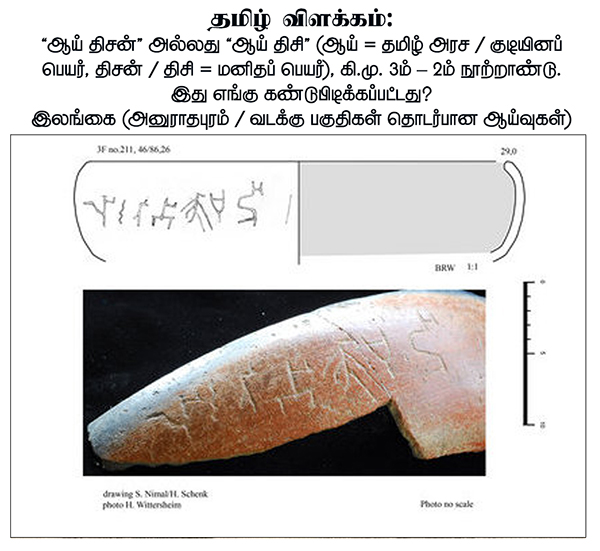
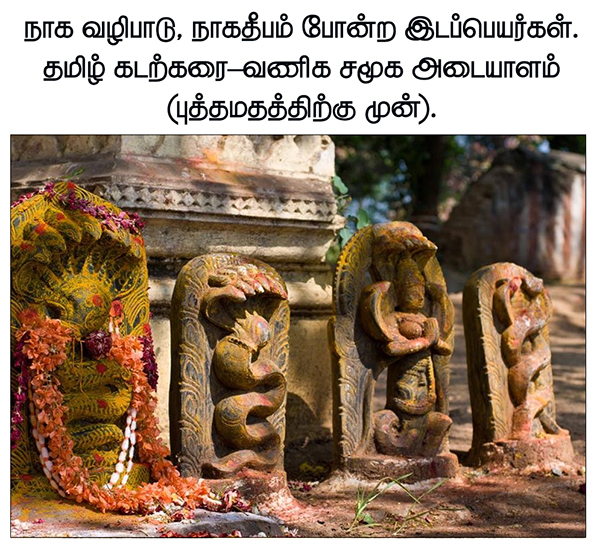
From the Tamil scholarly perspective, Sinhala identity is not a natural biological race, but a man-made identity formed through the mixing of North Indian traders, indigenous groups such as the Yakkas and Nagas, and sections of the Tamil population.
Tamil Diaspora News stresses that before Tamil political leaders speak about the 13th Amendment, the Samashdi system, or the concept of a “unitary state,” they must first clearly and courageously articulate the true history of the island.
“When history is denied, rights are denied.
No political solution can be sustainable without confronting historical truth.”